
Pressure Relief Vent Calculations: How To Size Vents for Safety and Compliance
26th July 2025
AFP will be Showcasing Innovative Pressure Relief Solutions at Intersec Dubai 2026
26th September 2025

Pressure relief vents in harsh environments: offshore, industrial and extreme conditions
Pressure relief vents are essential for safety and structural integrity in some of the world’s toughest environments. These include offshore oil platforms, Floating Production Storage and Offloading vessels (FPSOs), coastal industrial plants, and remote chemical facilities, as well as extreme climates such as deserts and arctic zones. In these settings, vents are exposed to extreme temperatures, salt-laden air, high winds, humidity, corrosive atmospheres, and wide thermal fluctuations.
Such harsh conditions put continuous stress on mechanical systems. Standard venting solutions often cannot cope with these demands. If a vent fails, the consequences can be severe. Equipment can be damaged, operations interrupted and lives put at risk.
That is why pressure relief vents must be purpose-built for reliability in extreme conditions. This article explains how vents are adapted for harsh environments and why choosing the right design is key to long-term safety and performance.
Venting challenges of oil, gas, and offshore environments
Oil and gas facilities, especially those located offshore or near the coast, face unique environmental circumstances. These conditions put extreme demands on every component of a safety system, including pressure relief vents.
Salt, wind, moisture, and temperature fluctuations all impact the performance and lifespan of venting equipment. Understanding these challenges is essential when designing or specifying venting systems for critical applications.
For a general overview of how pressure relief venting works and what to consider during system design, see this guide: How does pressure relief venting work in a gas fire suppression system?
Salt corrosion and material degradation
Salt is one of the most aggressive elements in coastal and offshore environments. Salt-laden air and sea spray settle on exposed metal surfaces. When moisture is present, these salts dissolve and form an electrolyte. This triggers a corrosive reaction that leads to pitting, rust, and surface degradation.
Over time, this corrosion can weaken structural parts of the vent. It may also affect seals and fasteners, making the vent less reliable or even unsafe. Materials that perform well in dry or indoor settings often fail quickly under constant salt exposure. That is why corrosion resistance is a top priority in offshore vent design.
High wind loads and water ingress
High winds are common in exposed locations such as offshore platforms or coastal refineries. These winds can drive rain and spray directly into external wall vents. If a vent is not properly sealed, water may enter the protected space. Over time, this moisture can lead to equipment damage, mould growth, and reduced room integrity.
Wind can also create uneven pressure on vent panels. If the vent is not designed to withstand dynamic pressure, it may open prematurely or fail to reseal after an event. Both outcomes compromise the safety and performance of the enclosure.
Thermal extremes: desert and arctic conditions
In addition to salt, wind, and moisture challenges, harsh environments can also include extreme temperature variations. Desert regions experience rapid daily temperature swings that cause materials to expand and contract repeatedly. This thermal cycling can weaken seals and cause material fatigue over time.
Similarly, arctic environments subject vents to prolonged exposure to freezing temperatures and ice formation. Materials must resist brittleness and cracking while maintaining sealing performance.
Designing pressure relief vents for these extremes requires specialized materials and construction techniques to ensure reliability and longevity in both hot and cold conditions.

How to overcome these challenges
Designing pressure relief vents for harsh environments requires more than just corrosion-resistant metal. It involves a combination of material selection, smart engineering, and proper system design. Below are key strategies that help overcome the specific challenges of salt, wind, and exposure.
Regulatory demands for tested and certified systems
In hazardous environments, vent performance is not optional. It must meet strict safety codes and pass third-party certification. Compliance with standards such as ISO, ATEX, or relevant national fire codes ensures the vent functions reliably under the right conditions. Certified systems also simplify approval processes during project planning and inspection.
High quality materials
Material choice is the first line of defence against corrosion and degradation. Stainless steel, especially grade 316L, offers excellent resistance to salt, moisture, and chemical fumes.
Gaskets and seals must also be chosen for their durability under temperature and moisture changes. Avoiding painted or coated surfaces where possible reduces long-term maintenance and the risk of coating failure.
Real-world testing
Laboratory testing under ideal conditions is not enough. Vents must be tested in conditions that reflect actual use, including wind-driven rain, temperature cycling, and blast or gas discharge events. AFP uses in-house testing facilities to simulate real environmental stress, ensuring each vent design works exactly as intended.
Regular maintenance
Even the best materials and designs require regular inspection. Salt can build up in hard-to-reach areas, and moisture can slowly degrade seals over time. Scheduled maintenance helps detect early signs of wear, corrosion, or mechanical fatigue. This prevents small issues from turning into failures.
Considering right sizing and capacity
A vent must be properly sized for the enclosure it protects. If it is too small, pressure cannot be released fast enough during a discharge. Careful sizing also prevents excessive venting and avoids energy losses. Engineers should consider gas type, flow rate, enclosure size, and vent location during system design.
Why AFP pressure relief vents excel in these conditions
When safety and reliability are non-negotiable, the design and build of a pressure relief vent make all the difference. Harsh environments demand more than just basic functionality. Materials must withstand corrosion, vents must perform under real stress, and design choices must account for external threats like wind, water, and airborne salt.
Below, we explore why AFP’s vents are trusted in the most demanding applications.
Materials and build quality
AFP pressure relief vents are built with durability in mind. High-grade stainless steel is used in several of our models, offering excellent corrosion resistance even in salt-heavy offshore environments.
To back this up, AFP offers a lifetime casing corrosion guarantee, reinforcing long-term confidence in structural integrity, even under constant exposure to harsh conditions.
Performance under pressure
In critical moments, vent reliability is essential. AFP vents are engineered to open quickly and reseal automatically, preventing damage from both under pressure and overpressure.
They are built for real-world pressure events, such as gas discharge and arc blast scenarios, all tested in simulated conditions using AFP’s blast simulator. At the same time, they are designed to maintain room integrity, enabling safe pressure relief without compromising environmental control or containment.
Engineered for weather resistance
At AFP, we understand that standard designs don’t always fit complex installations. That’s why options like weather panels are available for external wall integration, shielding vents from wind-driven rain and airborne salt.
In addition, AFP offers mounting designs that keep vents sealed against wind and water ingress when not in use, ensuring the system remains protected in extreme weather without sacrificing performance when pressure relief is needed.

Proven performance with AFP’s in-house testing facilities
AFP designs pressure relief vents to exceed industry standards. Rather than relying solely on theoretical or lab-based testing, we validate every product under real-world conditions. Our in-house testing facilities simulate the harsh environments vents face in offshore, industrial, and extreme settings. This approach ensures vents perform reliably when safety and integrity matter most.
Weather Testing
Our weather simulator replicates challenging environmental conditions such as salt spray, wind-driven rain, and water ingress. This rigorous testing evaluates the vent’s ability to resist corrosion and maintain sealing integrity over time. By subjecting vents to these conditions, AFP ensures long-lasting performance even in the most corrosive and exposed locations.
Blast and Explosion Testing
Pressure relief vents must operate flawlessly during sudden and extreme pressure events. Our blast simulator recreates real-life arc blast and gas discharge scenarios to verify vent performance under actual conditions, and not just laboratory approximations. This testing confirms vents open rapidly, relieve pressure safely, and reseal effectively, providing reliable protection during critical incidents.
AFP pressure relief vents for harsh environments
AFP offers a range of pressure relief vents specifically designed to meet the challenges of harsh offshore, industrial, and climate-sensitive environments. Each product is engineered with features tailored to particular applications, ensuring safety, durability, and reliable performance where it counts most.
SHX-UN OS
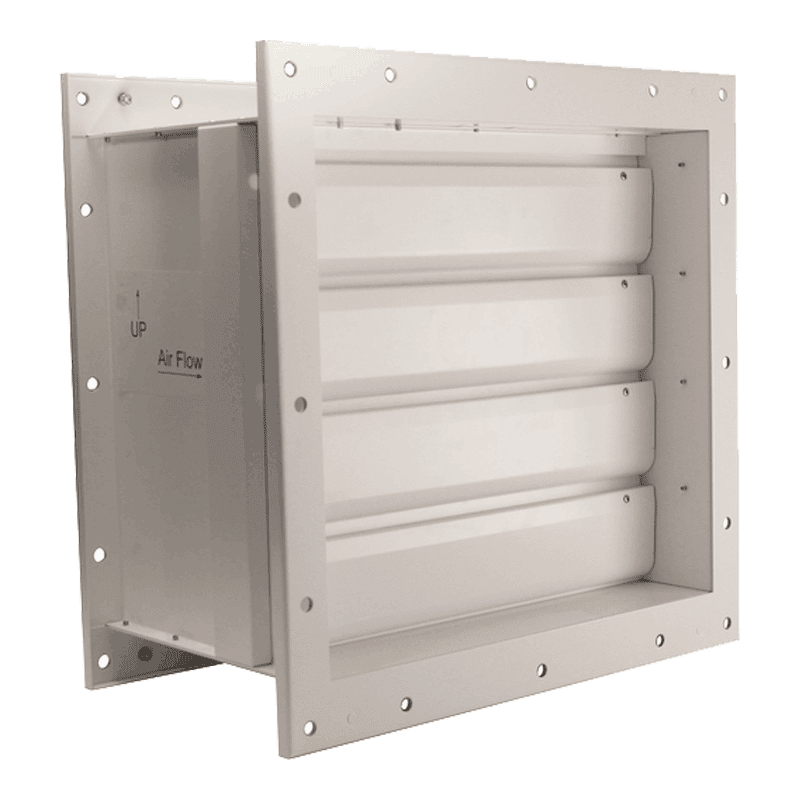
Designed for offshore applications, the SHX-UN OS vent withstands exposure to salt-laden air and wind-driven rain. Its robust construction and corrosion-resistant materials make it ideal for offshore platforms and marine environments.
SHX-UN SS
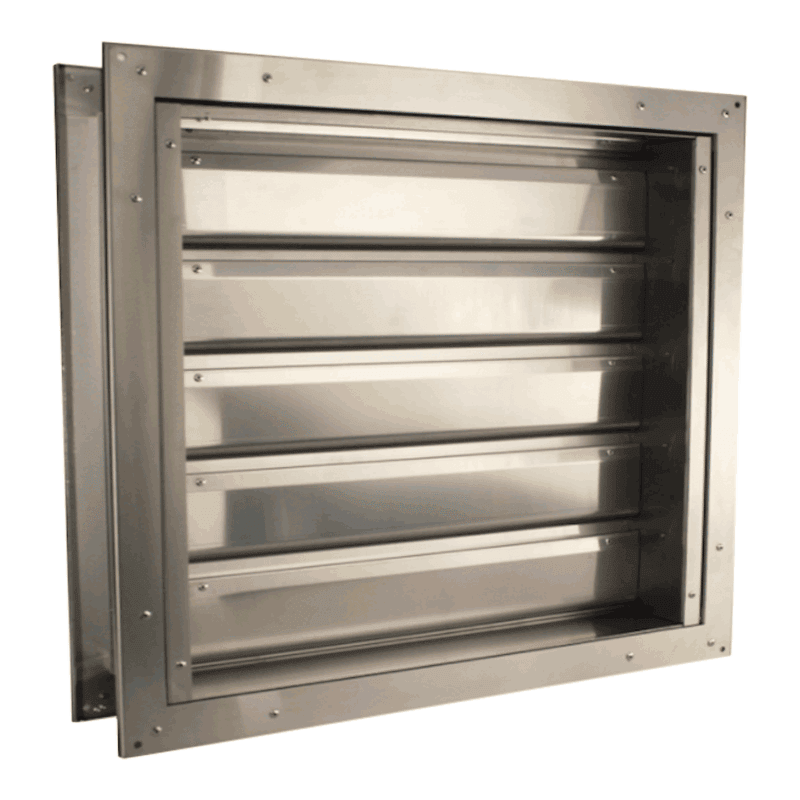
The SHX-UN SS is suited for demanding industrial settings requiring both reliable pressure relief and high corrosion resistance. Typical installations include coastal facilities, refineries, and chemical plants where harsh atmospheres prevail.
BSV
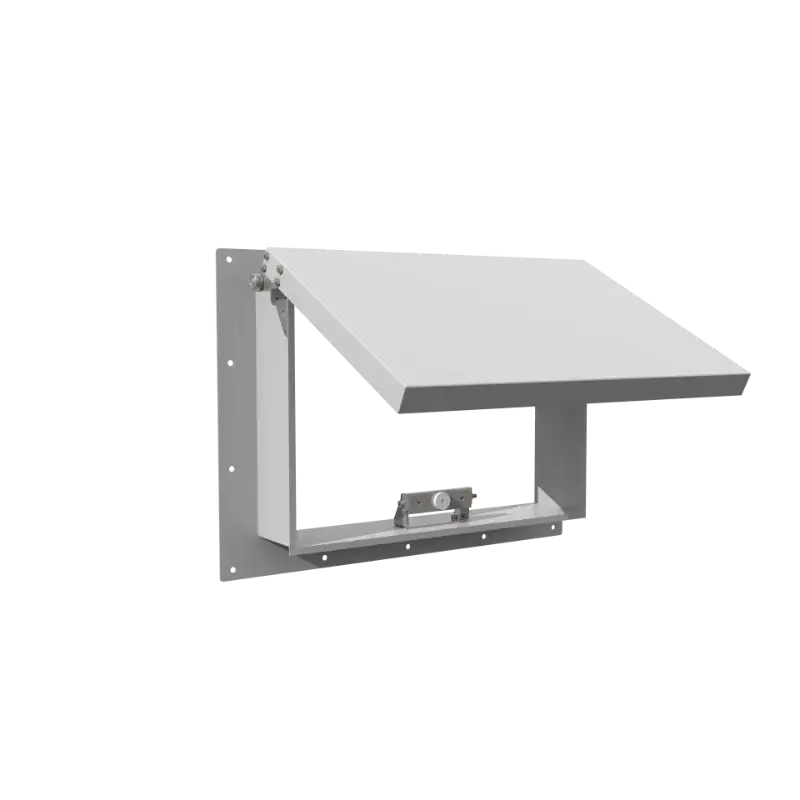
BSV Blast Vent Series combines AFP’s proven explosion venting technology with optional insulation and fire protection, providing a complete venting solution for arc flash, pressure, and gas-discharge events.
ArcX DB

Engineered for chemical plants, the ArcX DB provides low-pressure gas suppression relief inside buildings. It maintains room pressure below 500 pascals during discharge while protecting the enclosure from potential external explosions up to 100,000 pascals (1 bar).
The right vent makes the difference
Harsh environments are unforgiving, and when it comes to pressure relief vents, failure is simply not an option. Choosing the right vent is critical to maintaining safety, protecting equipment, and ensuring uninterrupted operations.
AFP’s pressure relief vents are engineered and tested to deliver dependable performance exactly when it matters most. With robust materials, advanced designs, and rigorous real-world testing, they provide the reliability needed, even in the toughest conditions.
For expert advice on selecting the correct vent for your application, get in touch with us today.